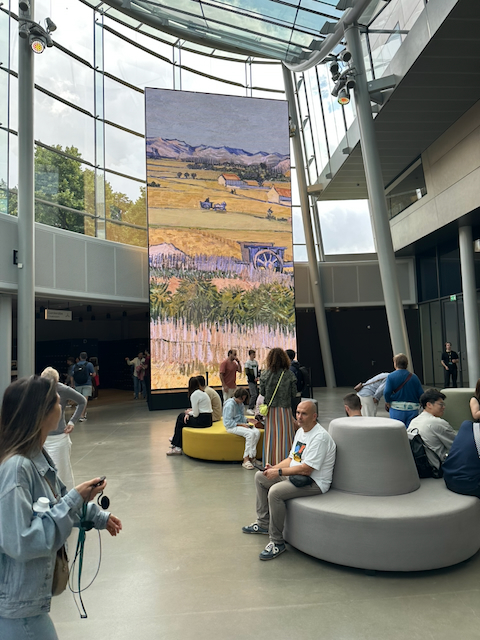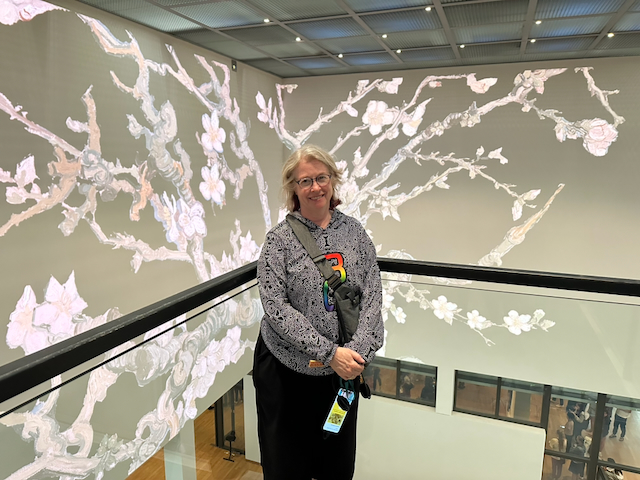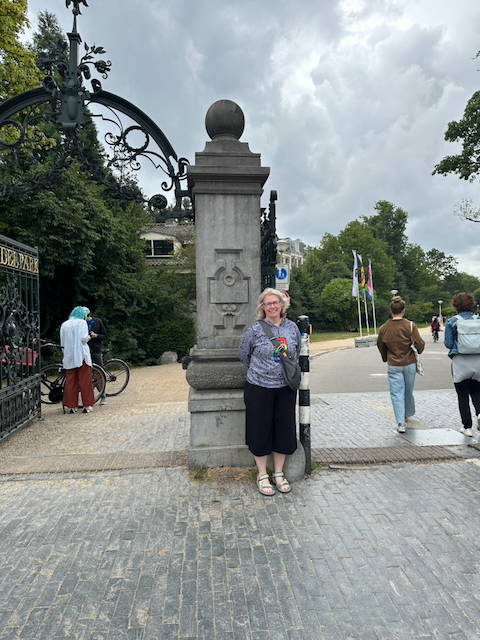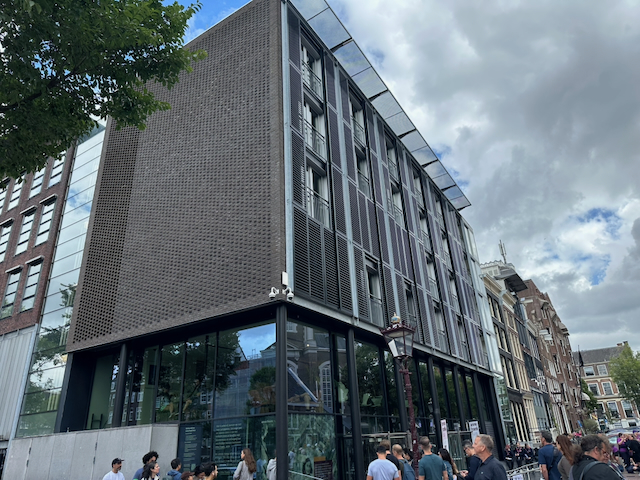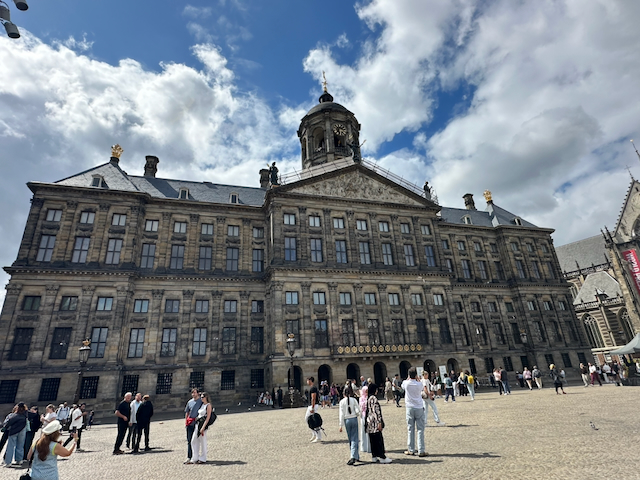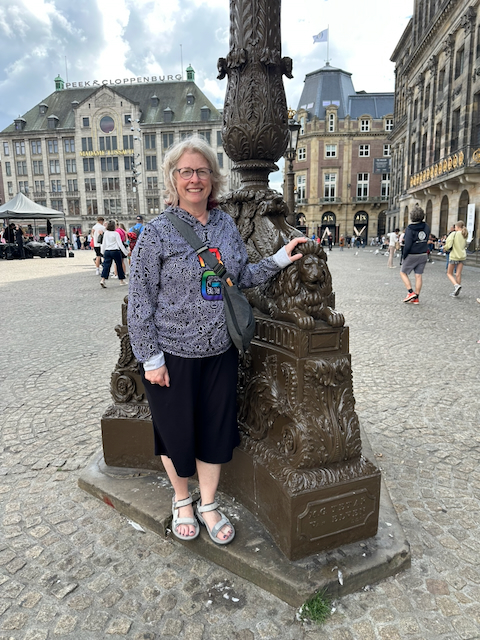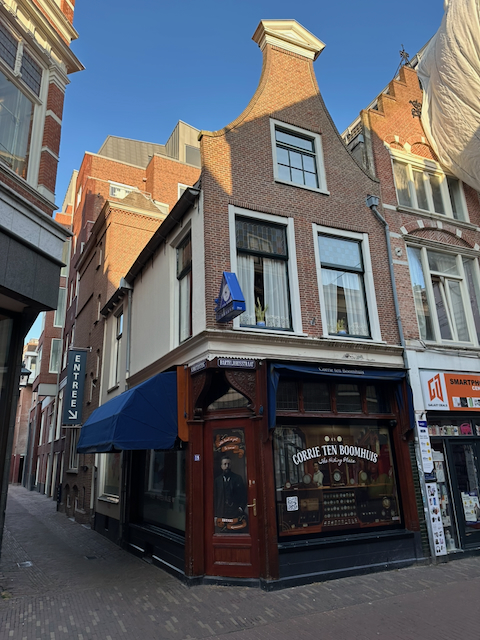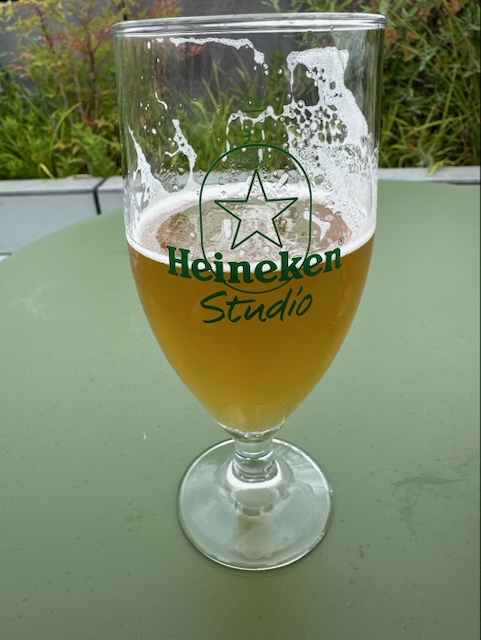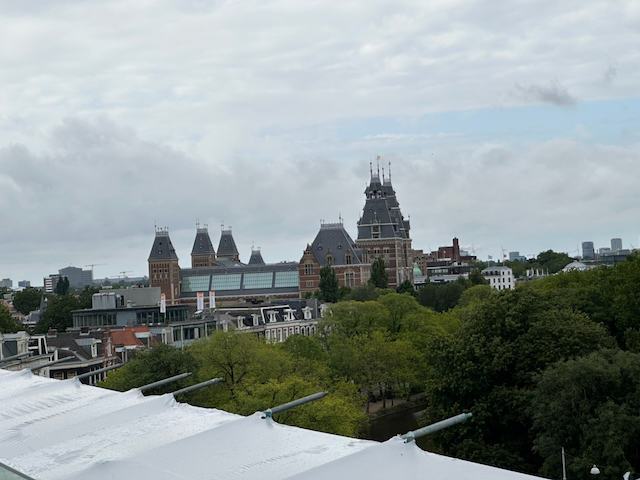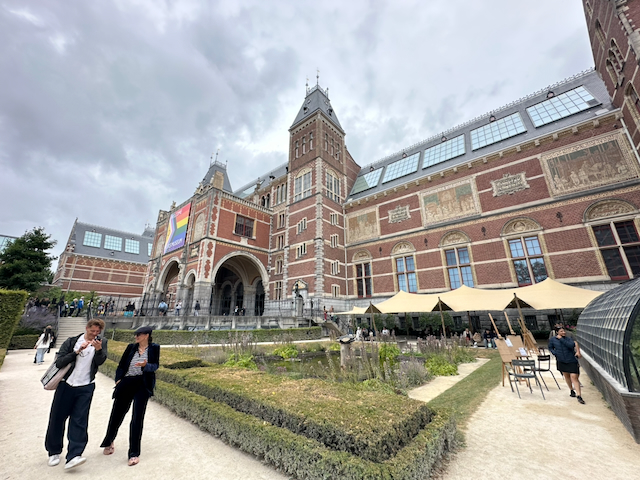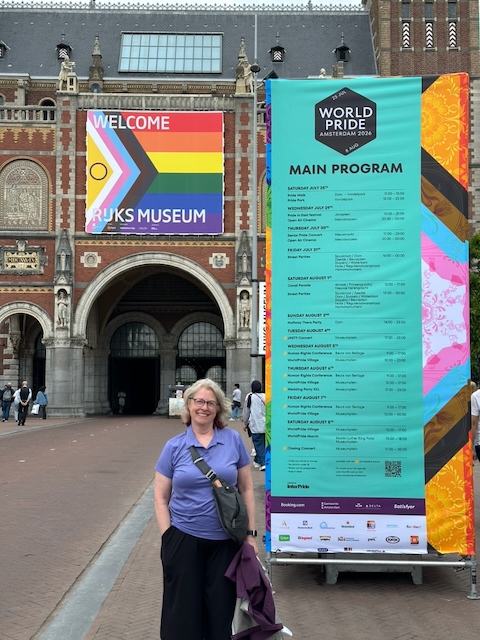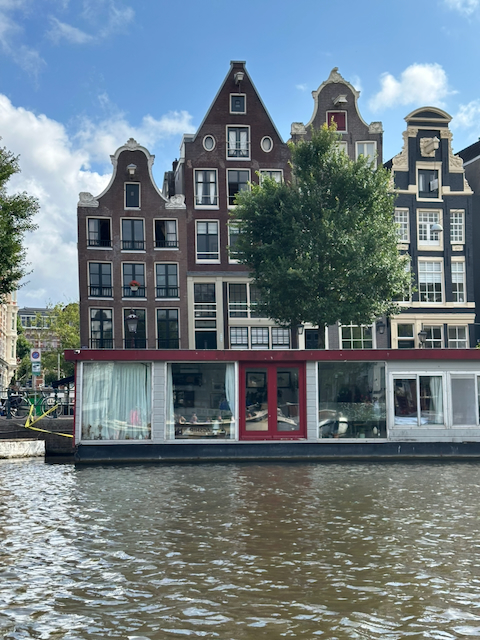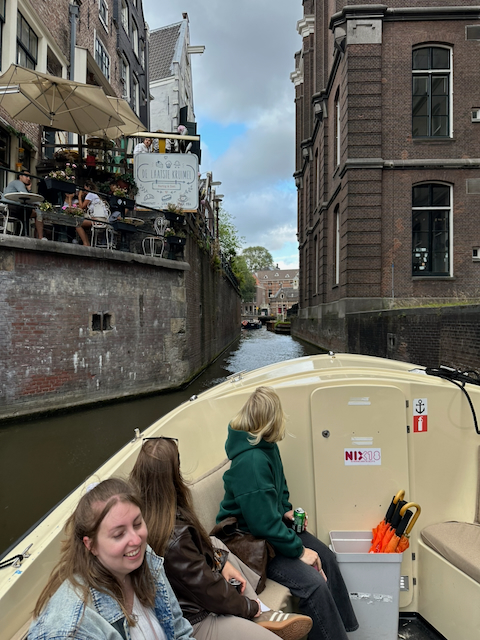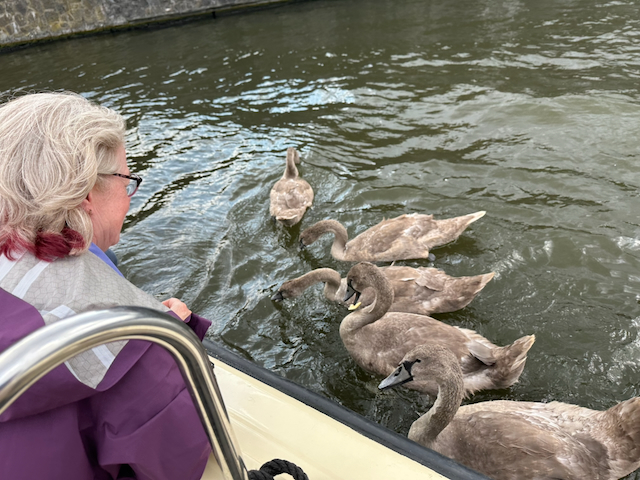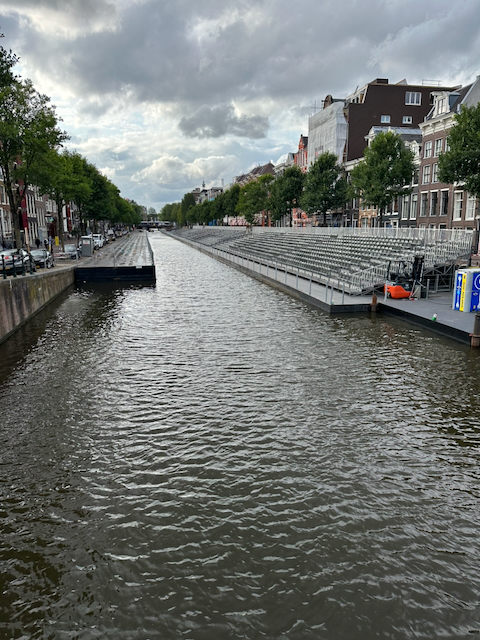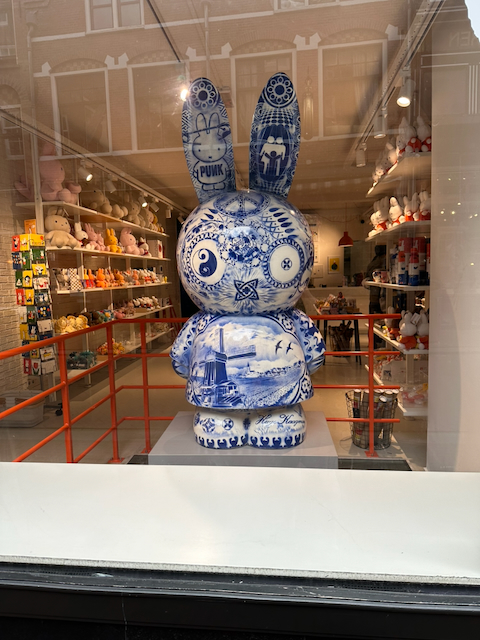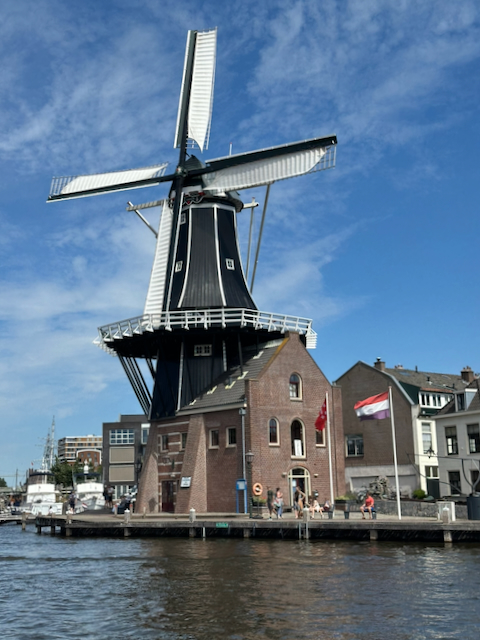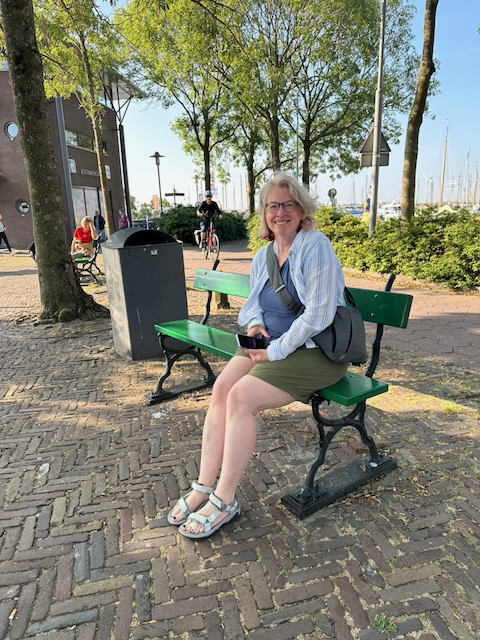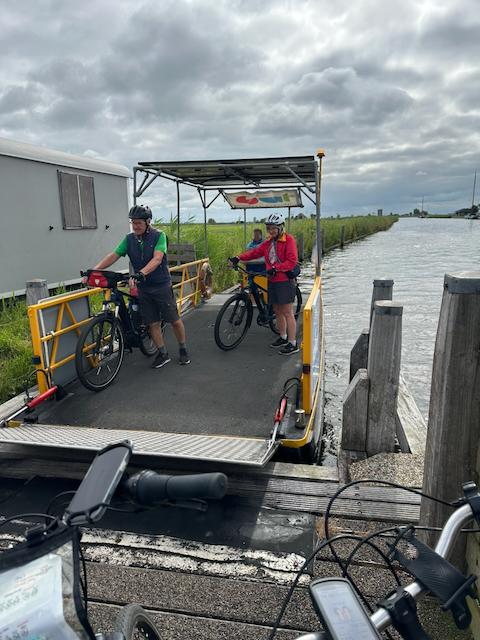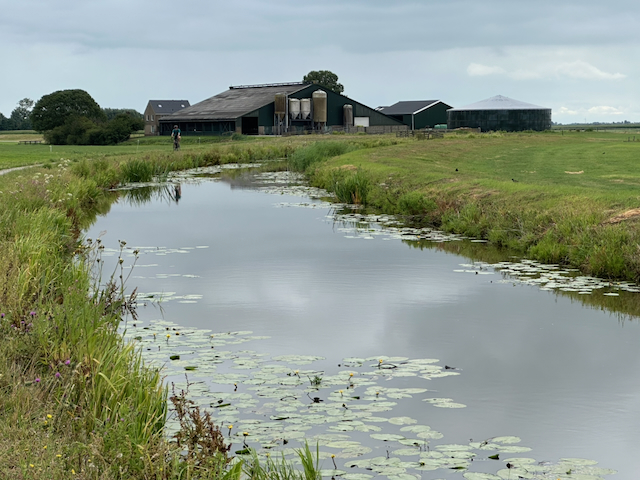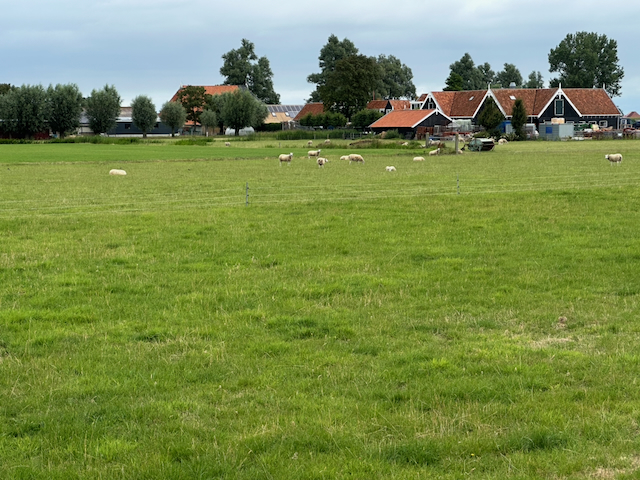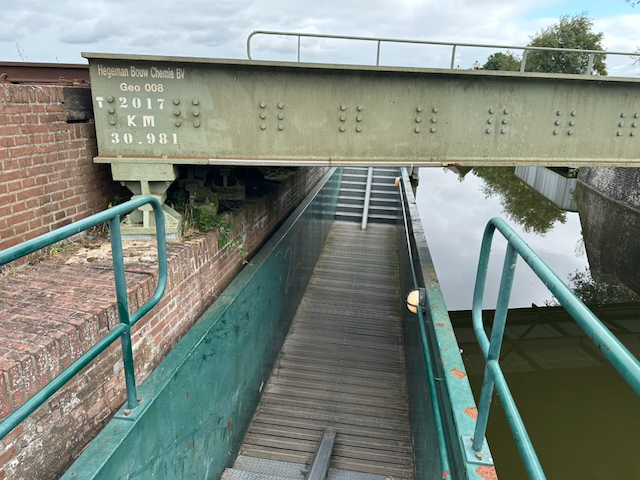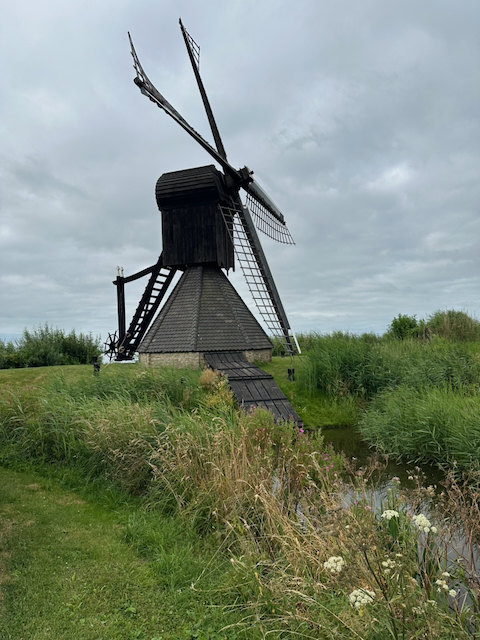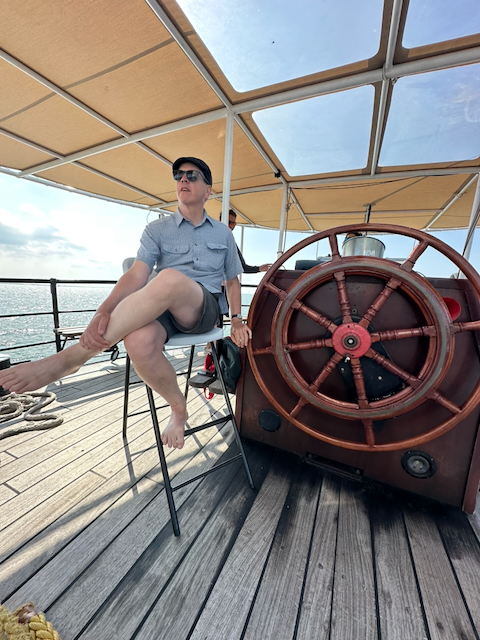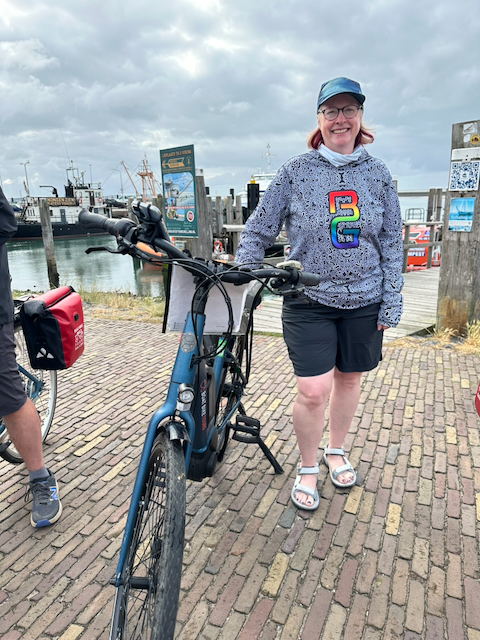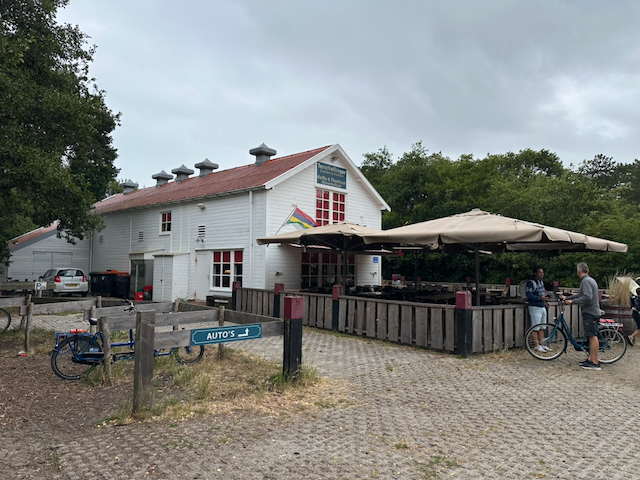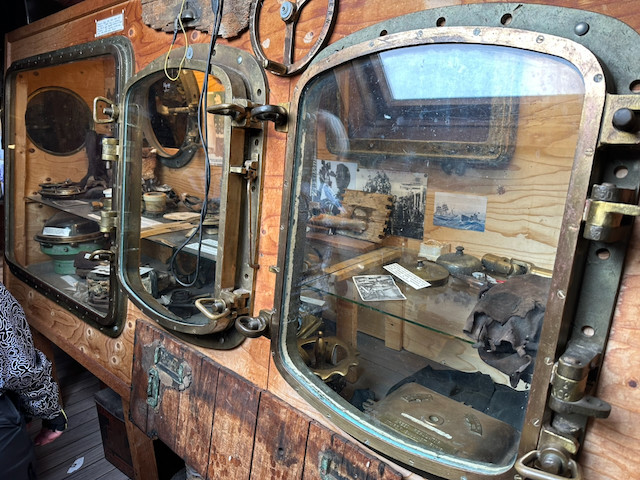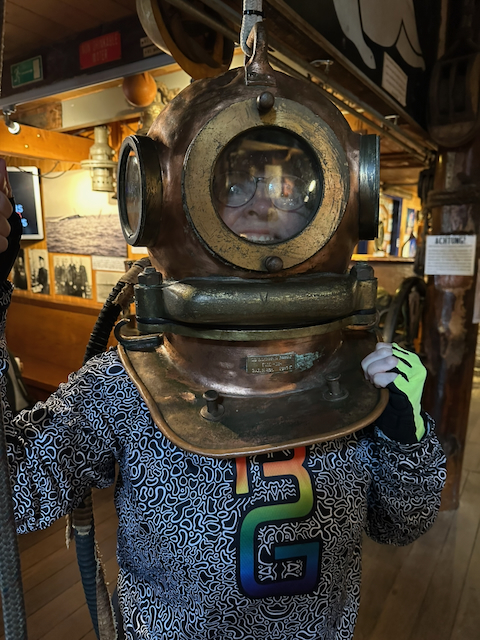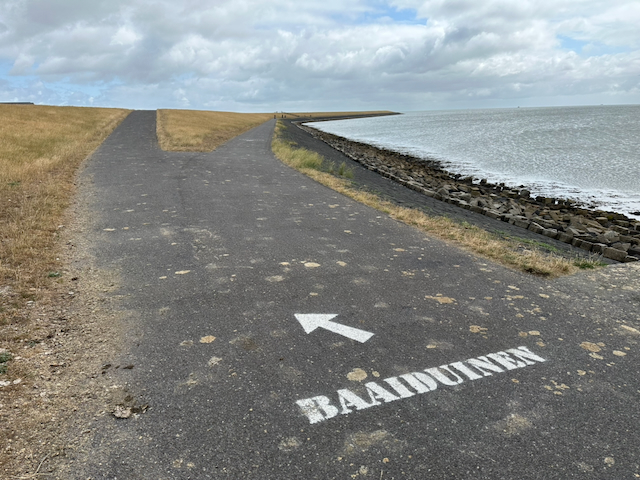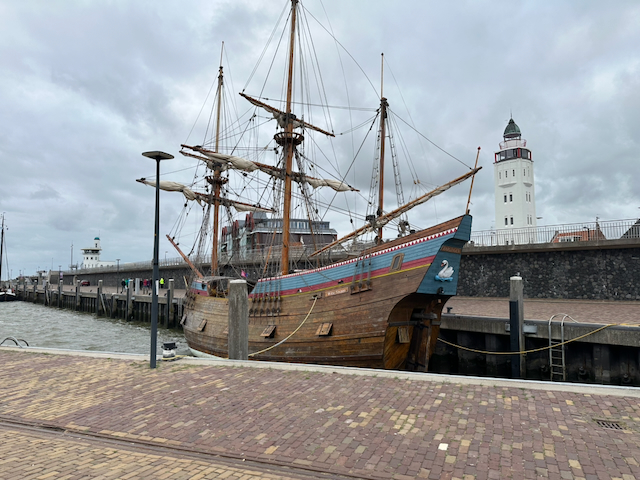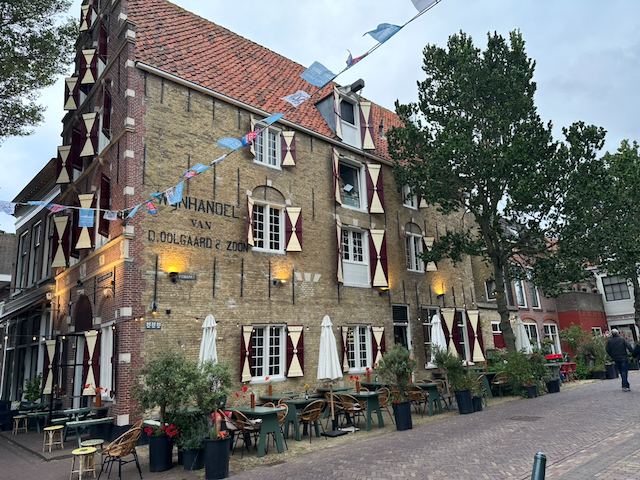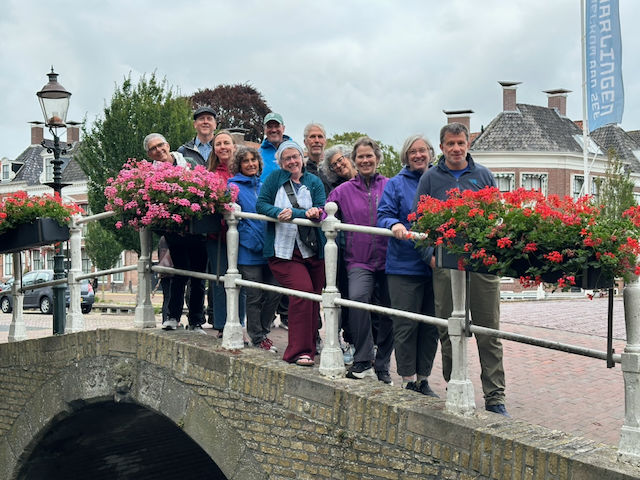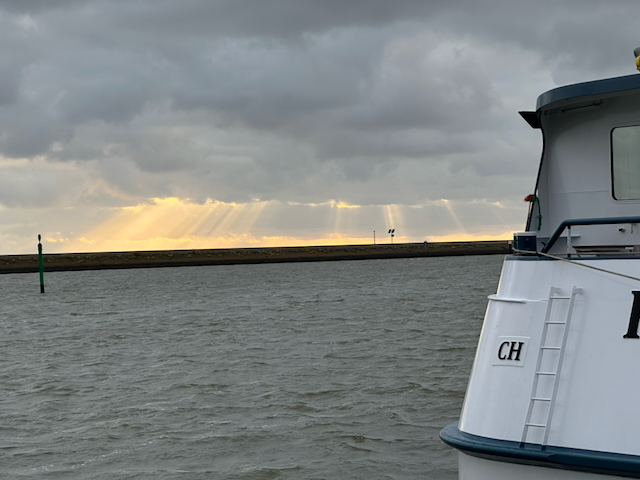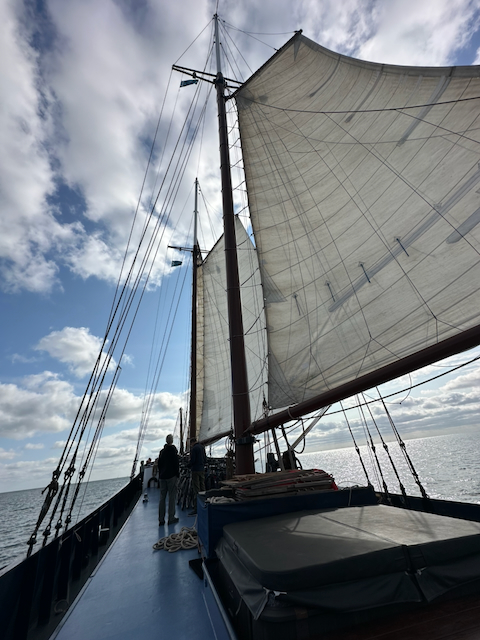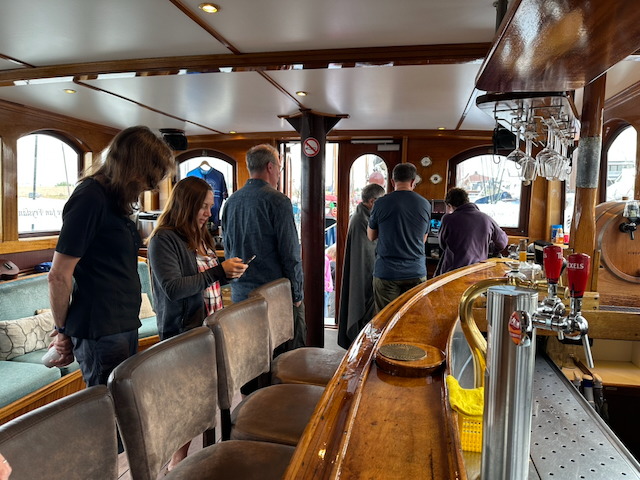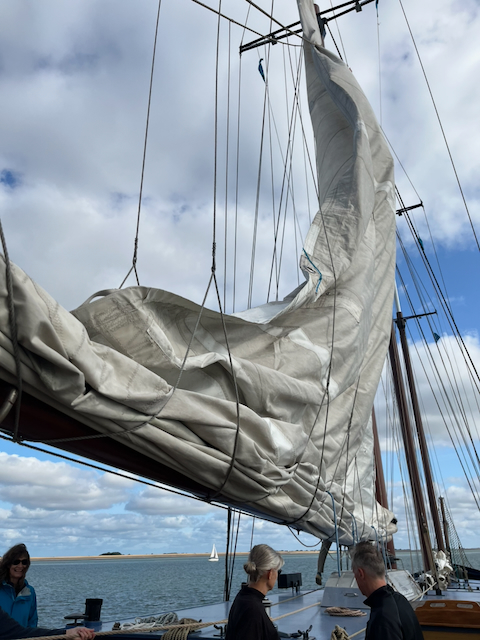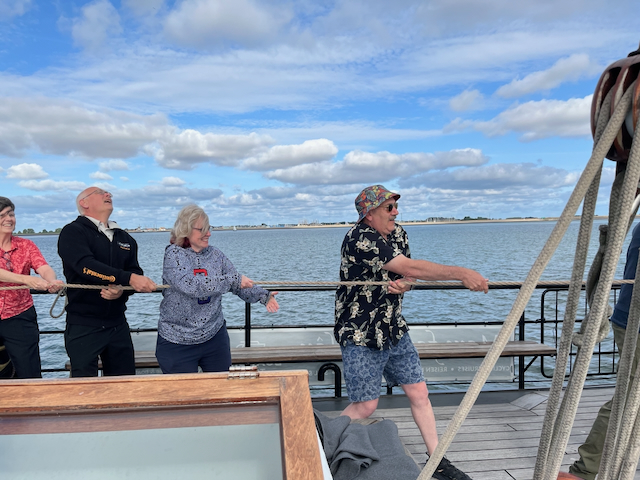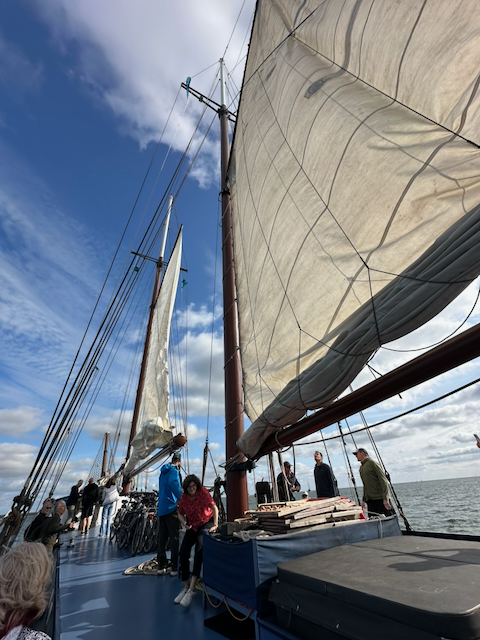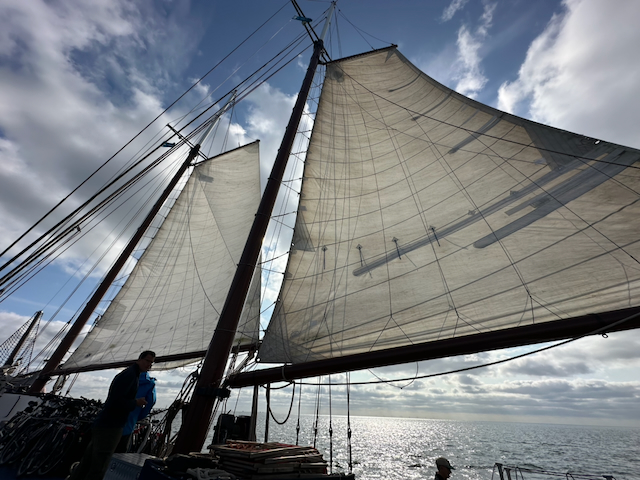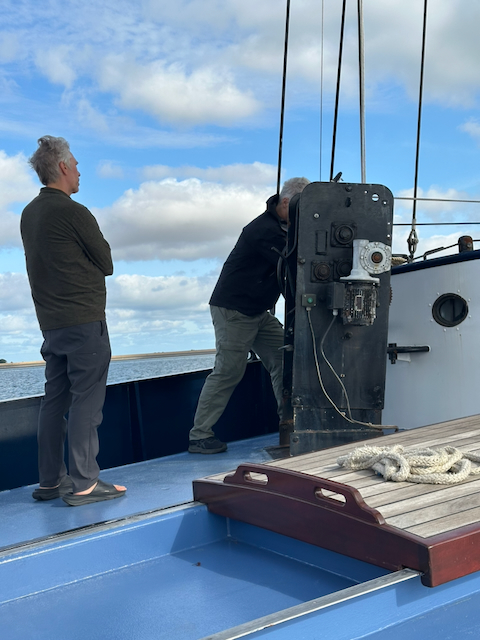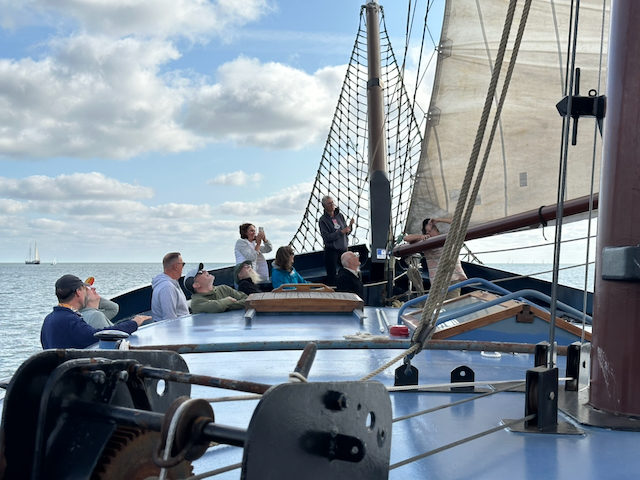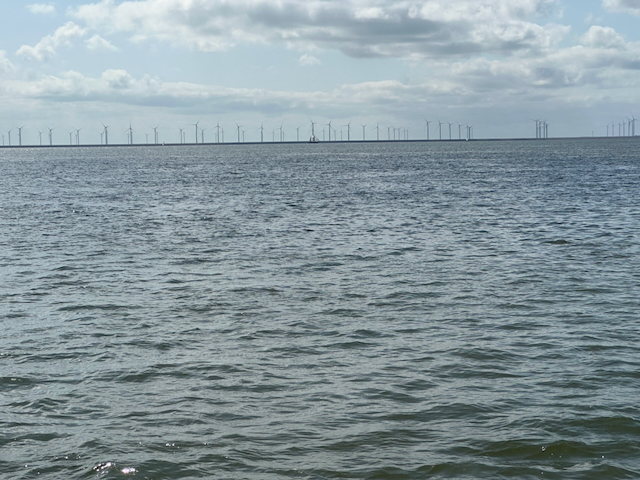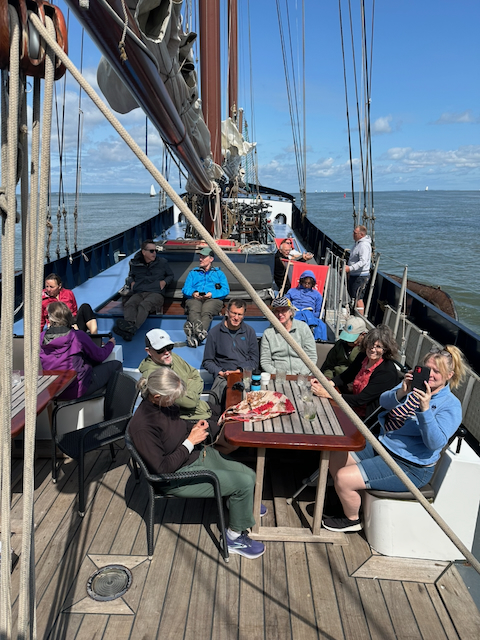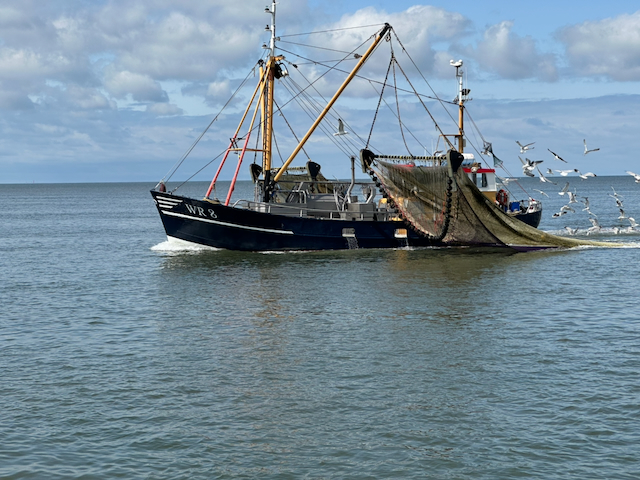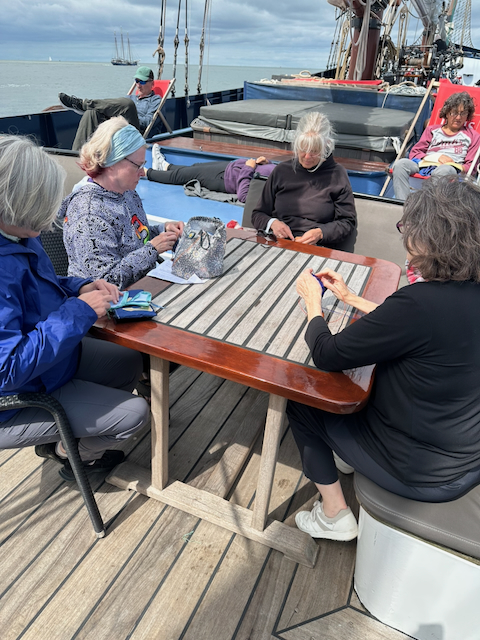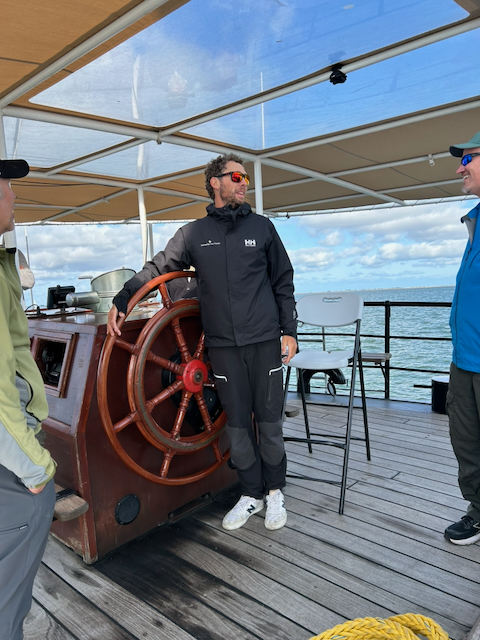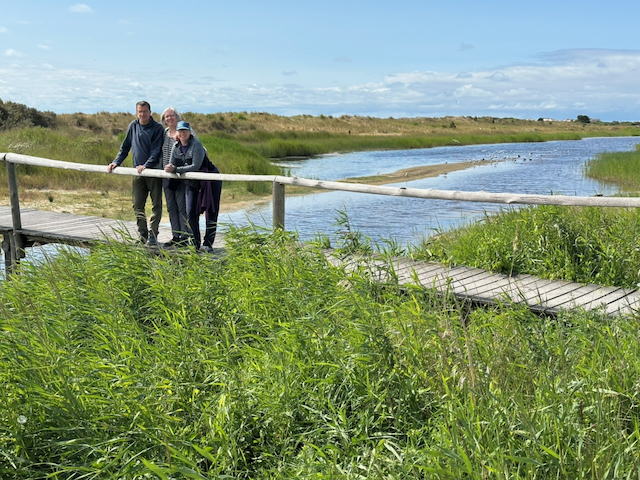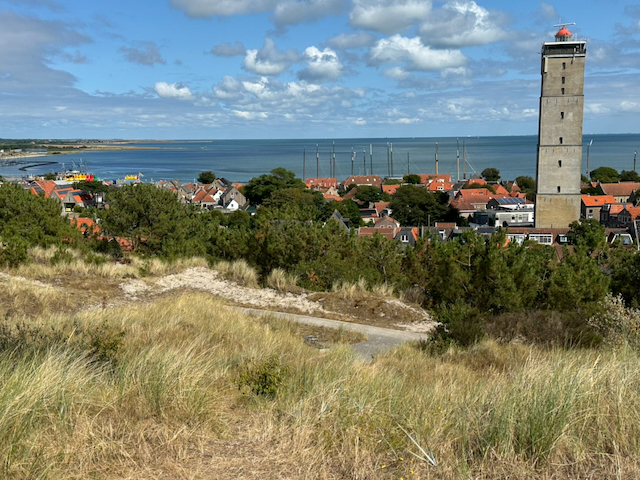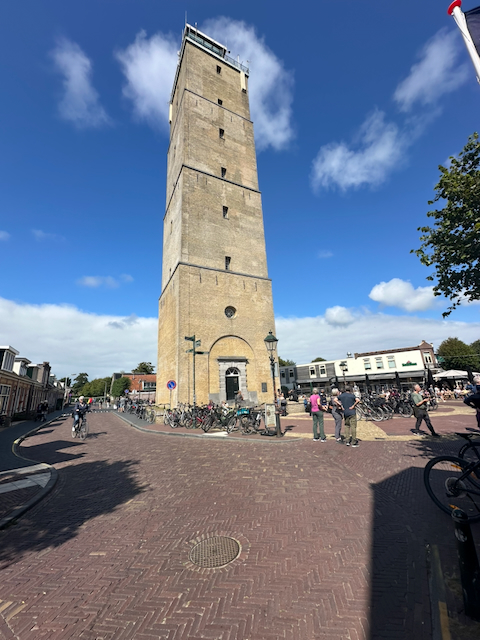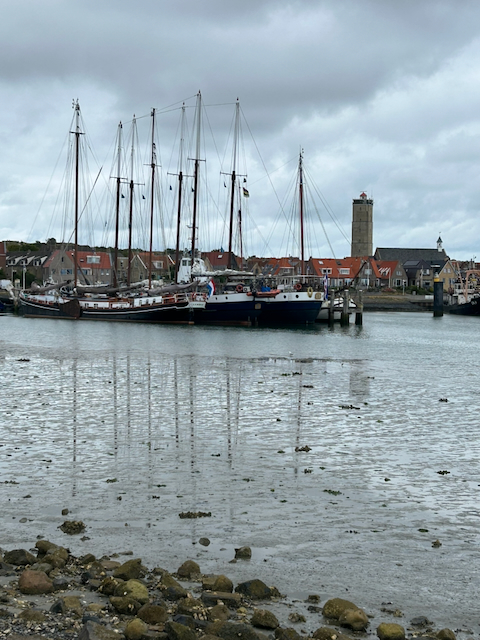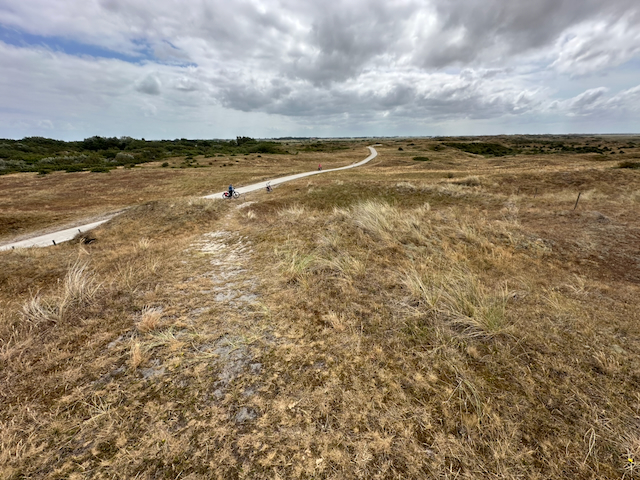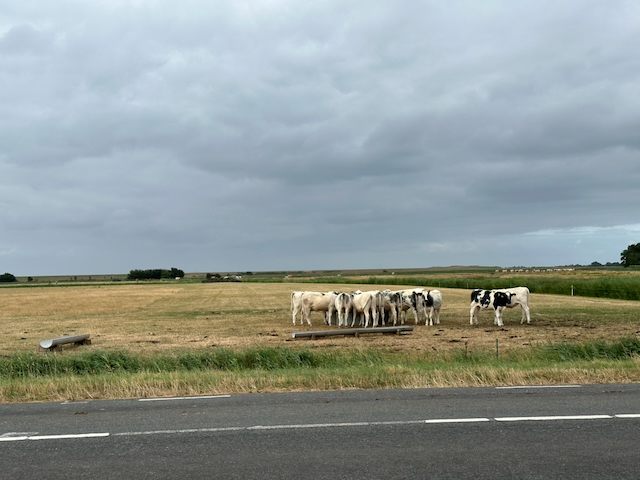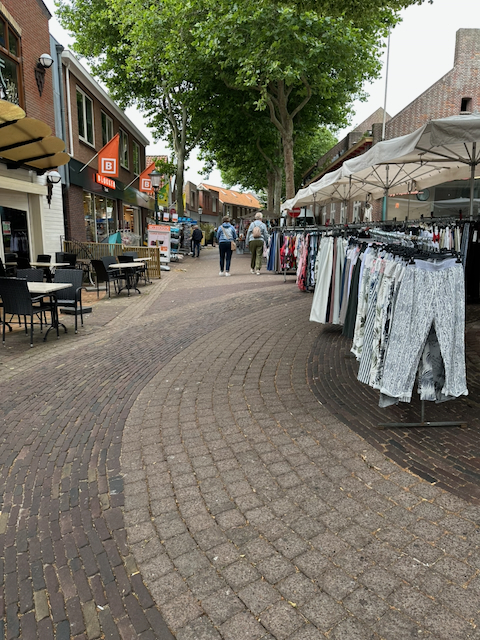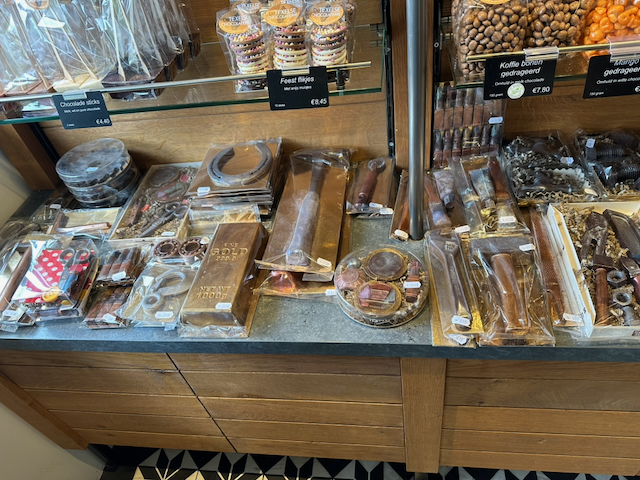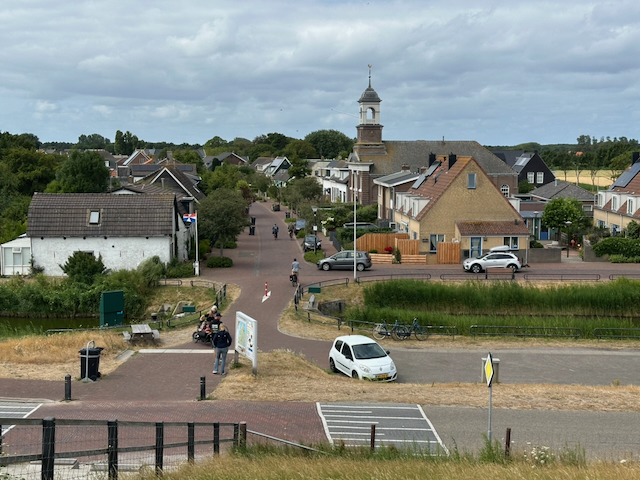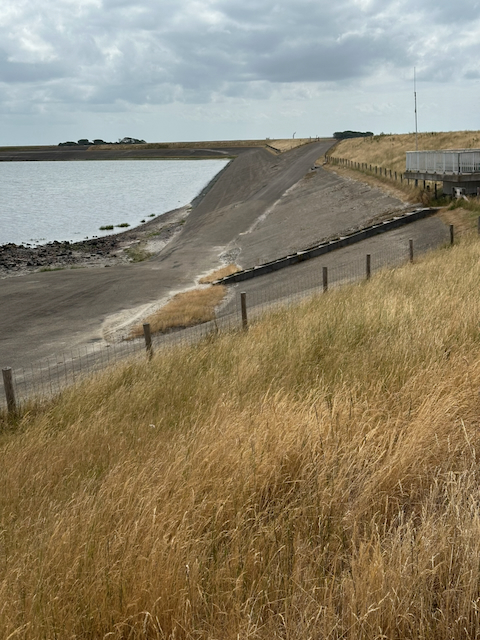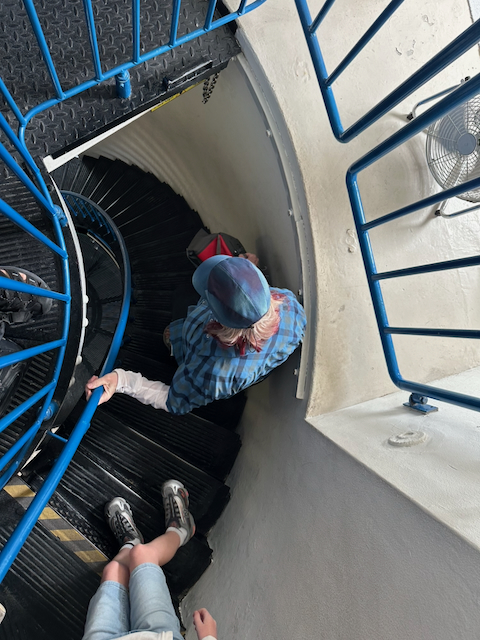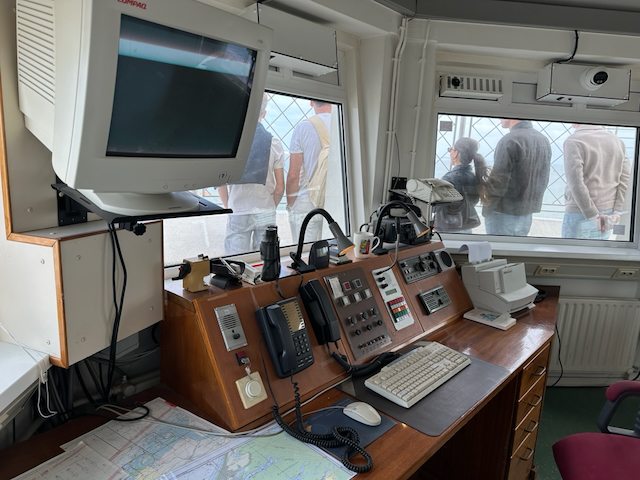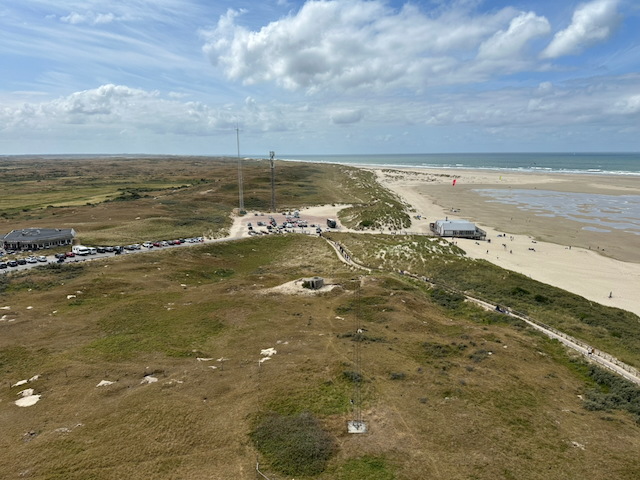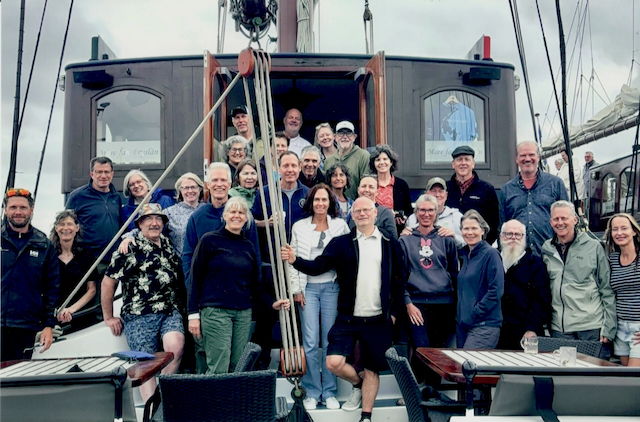
This was a super memorable trip; the vacation of a lifetime. We are deeply indebted to Sarah, who first discovered the possibility, and to Susan D., who made it a reality. We are also grateful for all the friends, old and new, and those we made along the way, for making it a great experience. Our ship’s crew — Marvin, Jurra, Richard, and Natalie — were outstanding. They took such great care of us — getting us from port to port, feeding us, serving us, and they did it all with grace and good humor.
The tour was run by the company Boat Bike Tours and the boat we were on was the Mare fan Fryslân (“Fairytale of Friesland”). You can read more about those on the links above, but the boat was lovely, and from my perspective, a perfect size. The tour was very interesting, and we got to see some lovely parts of the Netherlands.
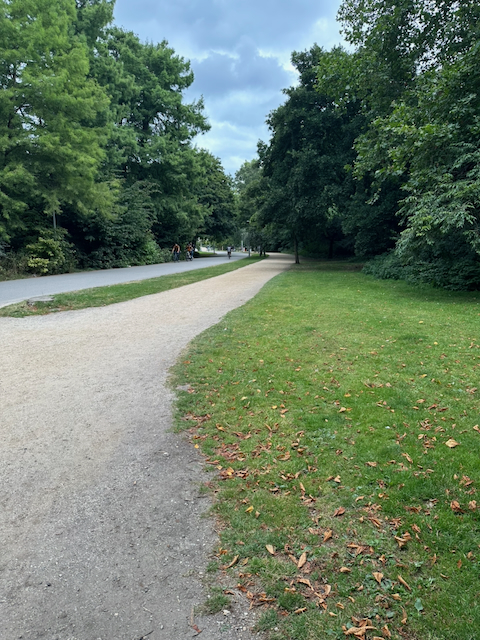
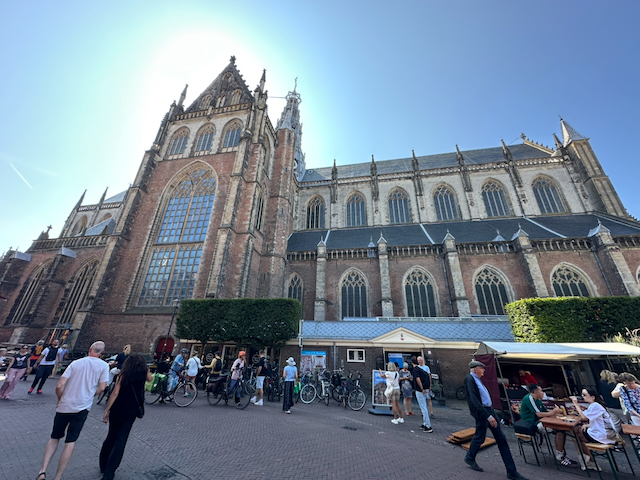
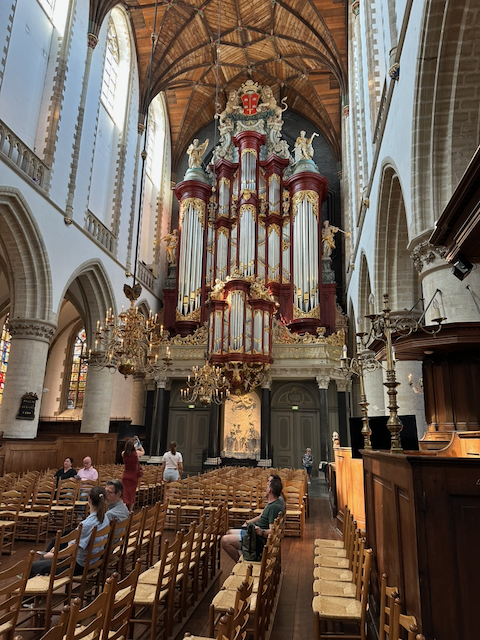
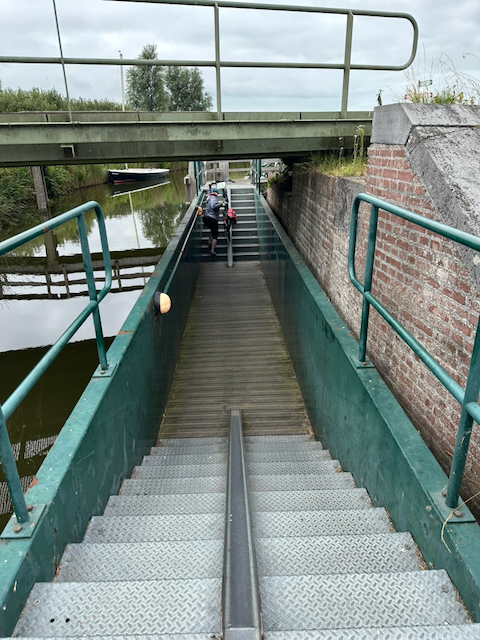
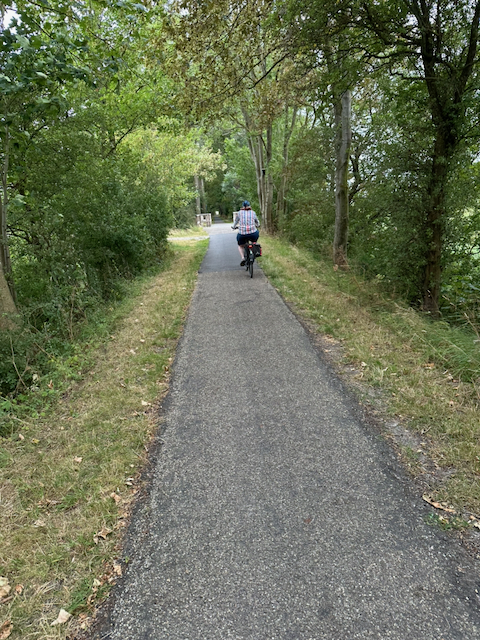
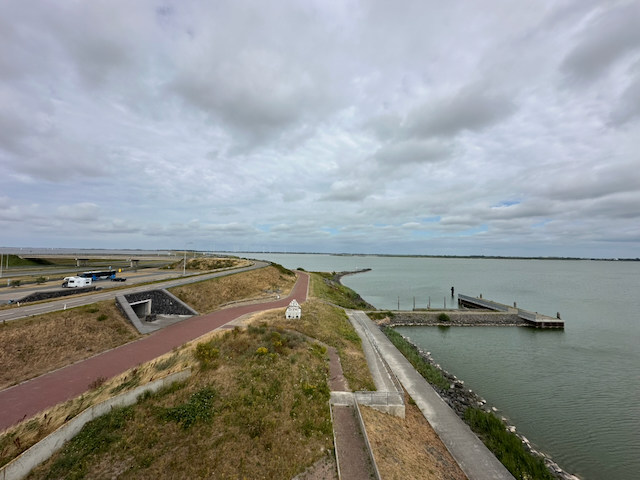
Personally, I loved the Netherlands. Like many places in Europe, it is full of both old and new. From churches build in the 11th century, to modern museums, and everything in between. But the thing that amazed me the most was the cycling culture. It is just a simple fact of life there. The cycling infrastructure is amazing — many of the cycling paths are separate from the roads, but even when they are along the roads, they are wide, and even when they are not wide, you can count on cars respecting cyclists, because almost all the people there are cyclists as well. Of course, the country is relatively small, so its easier to scale those kinds of infrastructure projects, but that doesn’t make it any less impressive. It’s obvious that cycling infrastructure is not an afterthought — take for example the suspension bridge
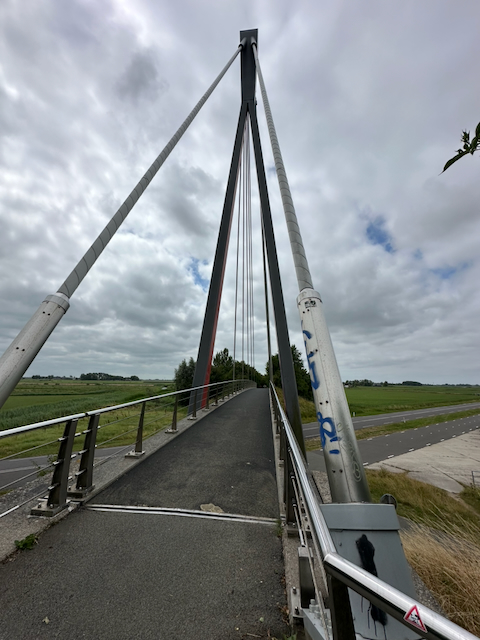
on a cycling path that we crossed. You just don’t build things like that if cycling is not a first class transportation option.
There is support for cycling everywhere. From huge parking areas,
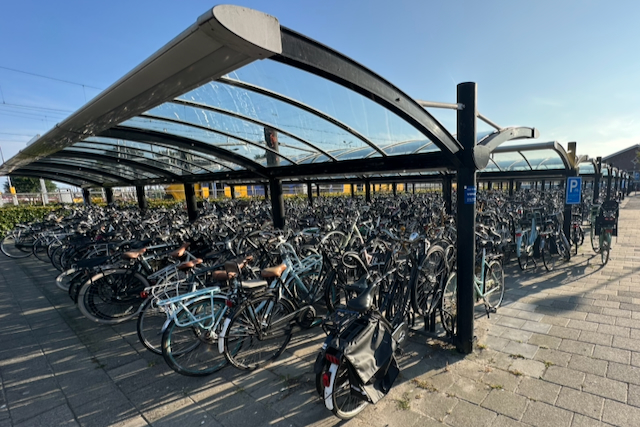
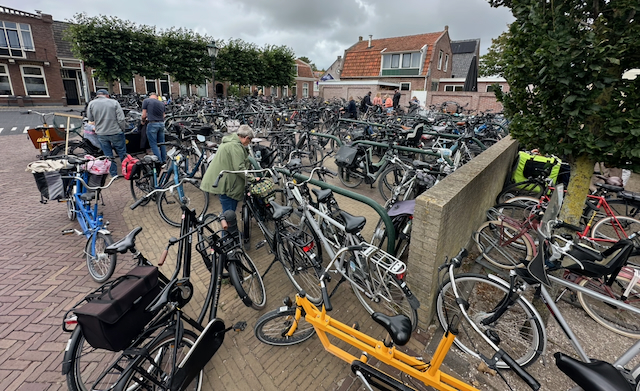
especially at train stations, to space for cycles on trains. Seeing people bring bikes on and off trains, and along the platforms was very common. Most bikes there are utilitarian; not the crazy expensive carbon fiber road racing machines that are lusted after here (though those exist there too!). You sit upright, the handlebars are the traditional flat bars, there are chain covers and wheel skirts to keep your clothing clean. There’s a whole class of “bakfiets” (cargo bikes) for carrying your children and/or shopping bags, etc., and folding bikes, which make it easier to take your bike on public transit. Yes, all those things exist here in the U.S. as well, but they are much less common.
Another lovely thing there is that you see people of all ages out there biking, from kids under 5, to people clearly in their 70s, at least. One of the passengers on our “sister” ship (that was following the same route we were) had to be in his 70s, and he was clearly still plenty comfortable on a bike.
The traditional public transit options are well supported also, so you can bike to the train/tram/bus, and take transit from there, and even take your bike with you for the “last mile” of your trip.
Another true highlight of the cycling part of the trip was the “fietsknooppunten” system of numbered junctions that make it easy to plan and describe a route from point A to point B. It just becomes a list of numbers that you follow. The junctions are well marked, and at each junction, you will find pointers to the adjacent junctions. This system was apparently adapted from a Belgian mine navigation system, and was originally used there, but the system has been adopted by many countries, especially neighboring ones. It seems to work well when there are many possible scenic routes from point A to point B, but probably wouldn’t work well here where there are few (if any) desirable cycling routes connecting two points. While originally implemented for cycle touring, the system has also been used to denote good hiking paths, and horse-riding paths as well. You will see different themed signposts for all of these networks.
An interesting side note — even within the Netherlands, the numbers are not unique. There are 37 regional networks in which each number would be unique, and these networks do interconnect, but it’s done in such a way that there is little potential confusion about which node 42 you would be talking about in a route. There are even routing engines that support the junction network.
All in all, we covered 134.15 miles over 5 days of riding, including 3 days over 30 miles. By far, the most cycling I’d ever done. And happily, this level of activity balanced the large gourmet meals we were eating, and my weight was unchanged over the 2.5 weeks we were away.
There are a near infinite number of places to visit in the world, but I would be pretty happy visiting the Netherlands again. If you enjoy cycling, it’s hard for me to imagine a more compelling place to see. Especially if you dislike hills 😉